The Roster Flow blog, page 2
Writing about the week between the roster and the pay run, from the point of view of the person who has to build both. Short, specific, and free of anything we cannot back up.

How to set up recurring shifts and roster patterns
Most small business rosters are the same few weeks over and over, rebuilt from scratch each time. Writing the shifts that repeat as a pattern saves that work and gives staff hours they can plan around. Here is how to find what really repeats, choose the kind of pattern, check it against the award, and handle leave, swaps and changes without breaking it.

How to plan break times on a busy shift without hurting service
Breaks tend to be decided on the floor, when someone notices a quiet moment, and on a busy day the quiet moment never comes. Here is how to find the windows your award allows, place each break around the rush before the roster goes out, arrange cover so service holds, and handle the day the rush runs long.

How geofenced clock ins work and when to use them
A clock in from a phone is quick for staff and saves a queue at a shared device, but a phone can clock in from anywhere. A geofence limits clock ins to the area around your workplace. Here is what a geofence actually checks, where it helps and where it gets in the way, how to set one up and test it, and where to check the privacy and surveillance rules before you switch it on.
Rostering family members and owner-operators fairly
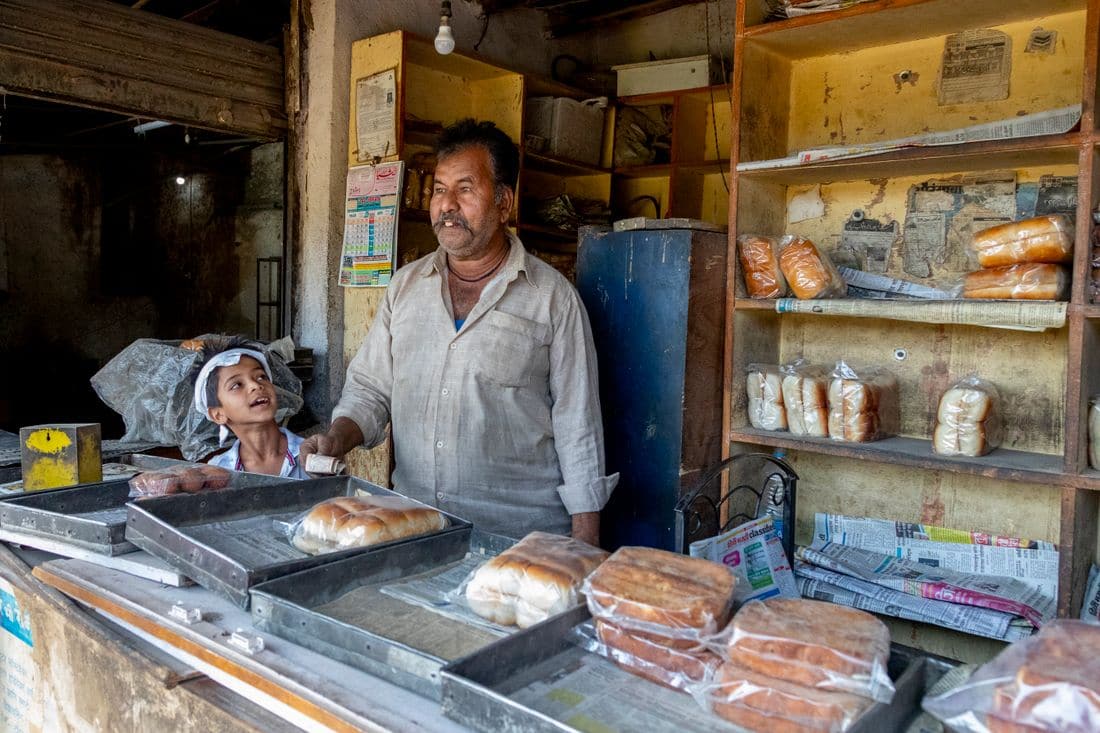
In many small businesses the owners work the most shifts and family members fill the gaps. That works until the owner never has a day off, a relative’s hours are never written down or the rest of the team feels the best shifts go to the family. Here is how to put owners and family on the roster properly, what to check about pay and super, and a worked week for a family bakery.

How to plan the roster for a new business opening
A new business has no sales history, a team that has never worked together and a list of obligations that start with the first shift. Here is how to plan the opening roster: which award applies, how many people to roster before you know your trade, what to sort out before anyone starts, how to handle training and trial shifts, and a worked first fortnight for a new cafe.

Seven-day trading rosters without burning out your core team
When a business trades every day, the same few reliable people tend to end up working most of them. Here is how to see who is carrying the week, build the roster from days off outward, keep to the award rules on days off and consecutive days, cost Sundays and public holidays, and grow the team so the core can rest.

How to roster students around uni and school timetables
Students are some of the most useful people on a small business roster, and their availability changes every term or semester. Here is how to collect timetables as availability, plan around classes and exams, check the award and state rules for school students, keep international students inside their visa limit and build a week that works for everyone.

How to roster staff with second jobs
Plenty of casual and part-time employees have a second job, and it decides when they can work for you. Here is what to ask, how to build shifts around hours that are already taken, what the National Employment Standards and four common awards say, and a worked week for a cafe casual who also works in a bar.

How to plan a roster for a pop-up or market stall
A market stall trades for a few hours, but the working day around it is much longer. The stock has to be loaded, the stall set up before the gates open, the queue served without leaving anyone alone, and everything packed down and brought back. Here is how to roster the whole day, what to check with the market and the council, the award rules on travel, early starts and short shifts, and a worked Saturday to copy.
How to roster around deliveries and supplier windows
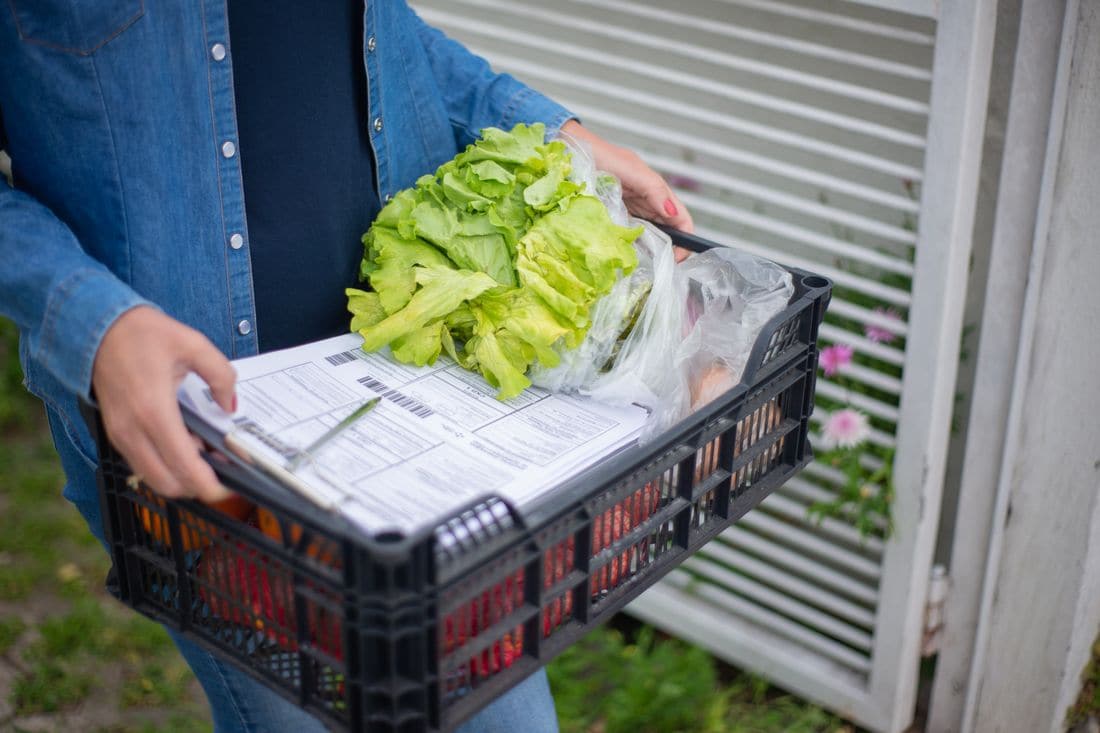
Deliveries arrive on the supplier’s timetable, not yours. Someone has to be there, check what came, put it away and get back to work, and none of that is free. Here is how to build delivery windows into the roster so the right person is on, the time is paid and the stock is checked properly.

Early-morning rosters for bakeries: what to plan for
A bakery’s day starts hours before its doors open. The bake has to come out of the oven in time for opening, the shop needs a crew of its own, and the people who start at 4:00 need a roster that lets them sleep. Here is what to plan for, including the award rules that change when work starts before sunrise.

How to roster off-site catering jobs: travel, setup and packdown
An off-site catering job is a function with a drive at each end. The food and equipment have to be loaded, the team has to get there, the room has to be set, and everything has to come back and be cleaned before anyone goes home. Here is how to roster each stage, what the awards say about travel and breaks, and a worked job to copy.


